I Used to Sing in Every Mirror in the House: How Retirement Gave My Joy Back
I Used to Sing in Every Mirror in the House
How Retirement Gave My Joy Back
By Geezell · Retired and Realizing
There is a version of me that existed before corrections.
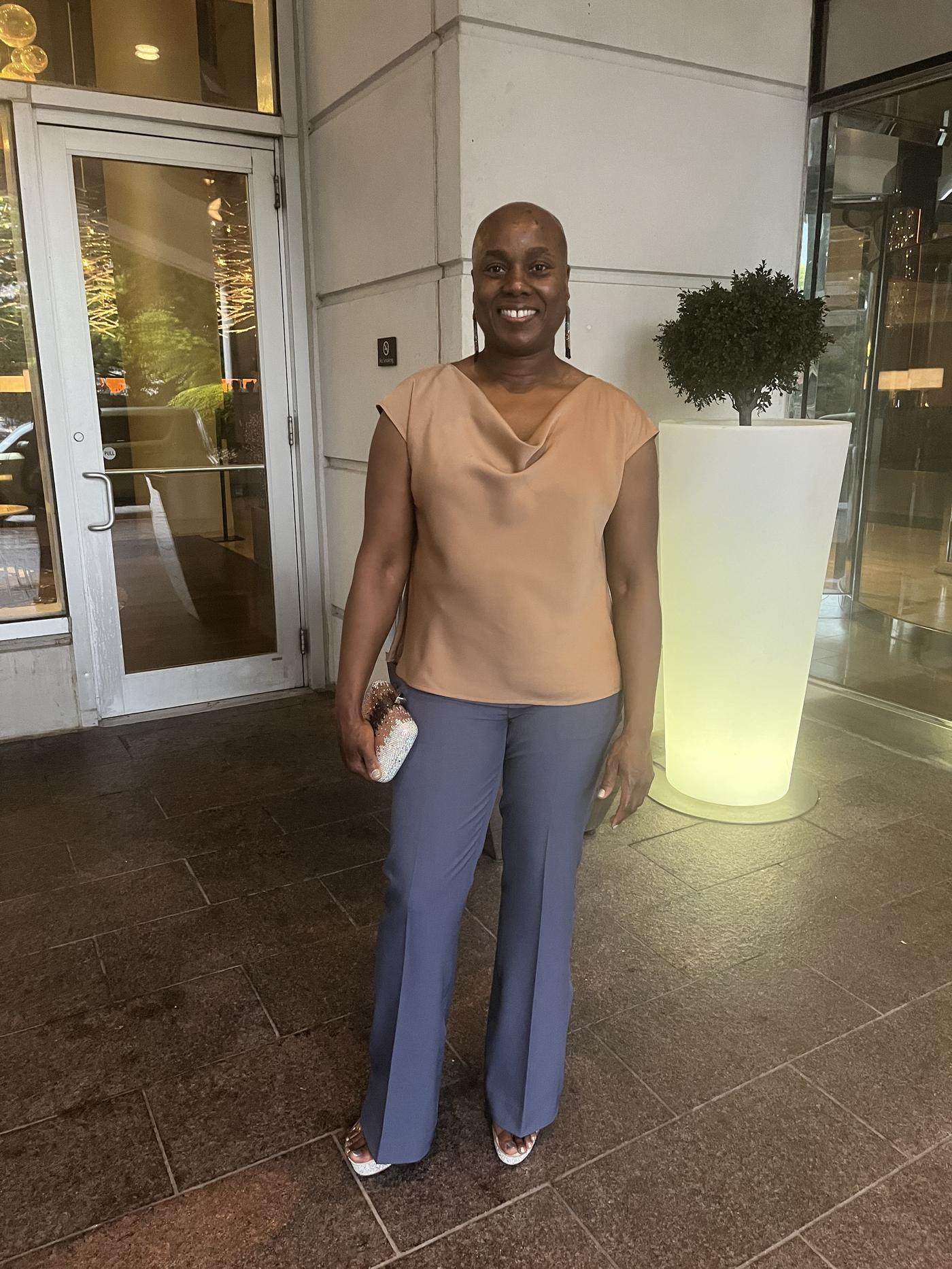
She sang in every mirror in the house. Brush in hand, pretending it was a microphone. Bathroom acoustics were her favorite — the way the tile walls caught the sound and gave it back to her richer, fuller, more. She grew up on the greatest R&B and soul music ever made. She knew every word to every song. She was going somewhere with that voice.
And then she got a job in corrections.
And the singing got quiet.
Not all at once. Not dramatically. Just... gradually. The way corrections takes things — without announcing it, without asking permission, just slowly turning down the volume on the parts of you that do not serve the environment.
I did not notice my singing had stopped. I only knew when I started singing again — because I felt so alive.
This post is about that. About the joy that corrections quietly borrows — and what it feels like when retirement gives it all the way back.
Before the Badge — Who Geezell Was When the Music Played
I grew up on music. Real music. The kind that gets into your bones and stays there for the rest of your life.
The artists that shaped me:
Diana Ross — Ain't No Mountain High Enough
Phyllis Hyman — You Know How to Love Me
Anita Baker — Angel
Cherrelle & Alexander O'Neal — Saturday Love
Phil Perry — Call Me
Luther Vandross — Superstar
Those are not just songs. Those are a whole world. A whole emotional vocabulary. A whole way of being in your body — open, expressive, fully present — that great R&B and soul music requires of you.
I always wanted to sing. So I took singing lessons. I practiced. I was preparing to perform at Showtime at the Apollo — one of the most legendary stages in the history of Black music and culture.
And then in 1997 and 1998, I got a job working FOR Showtime at the Apollo.
I was preparing to perform at the Apollo. Then I ended up working for the Apollo. I was very thankful. Music was not the career I wanted to go into at the time — but it was always, always in me.
That is the version of me that existed before corrections. Singing lessons. The Apollo. A brush as a microphone. Joy so natural it did not even feel like something that needed protecting.
She did not know yet what the next 26 years were going to ask of her.
What Corrections Does to Your Emotional Volume — Quietly, Without Permission
Here is the thing about a career in public safety that nobody outside of it fully understands: it does not just change what you do. It changes how you are.
Corrections trains you — deliberately, systematically, over years — to operate without emotion. To keep your face neutral. To manage your reactions. To contain everything that could be read as weakness or vulnerability inside those walls.
You do not walk into a corrections facility smiling. You do not go in jolly. The environment does not allow for that — and over time, you stop reaching for it even when you are not inside those walls. The professional face follows you home. The emotional containment becomes the default setting.
Corrections trained me to be without emotion. And there is no way I can be out in this beautiful world in my retirement era without emotion.
That is not a complaint. That is just the reality of what 26 years in high-stakes environments does to a person. It is not a character flaw. It is the career doing exactly what it trained you to do.
But here is what I did not realize until retirement: I had not noticed the singing had stopped. It left so gradually, so quietly, that there was no moment of loss I could point to. No day I decided to put it down. It just... faded. The way joy fades when it is not given room to breathe.
Corrections does not announce what it takes. It just slowly turns down the volume on the parts of you that do not serve the environment. And one day you retire — and realize everything it borrowed is still right there waiting to be reclaimed.
The singing was not gone. It was just waiting.
The Moment I Started Singing Again — Luther, a Car, and One Press of Record
I retired August 1st, 2025.
And at some point in those early weeks of retirement, I was in my car. Luther Vandross came on.
I pressed record.
And I started singing.
That was my first TikTok video. Not a planned content strategy. Not a scripted hook. Just Geezell in her car, Luther on the speakers, pressing record because something in her needed to come out. The video became
"Never Knew Retirement Could Be So Good"
— and the whole Retired and Realizing community was born from that moment.
It felt so invigorating.
Not nostalgic. Not bittersweet. Invigorating. Like a current running through something that had been still for a long time.
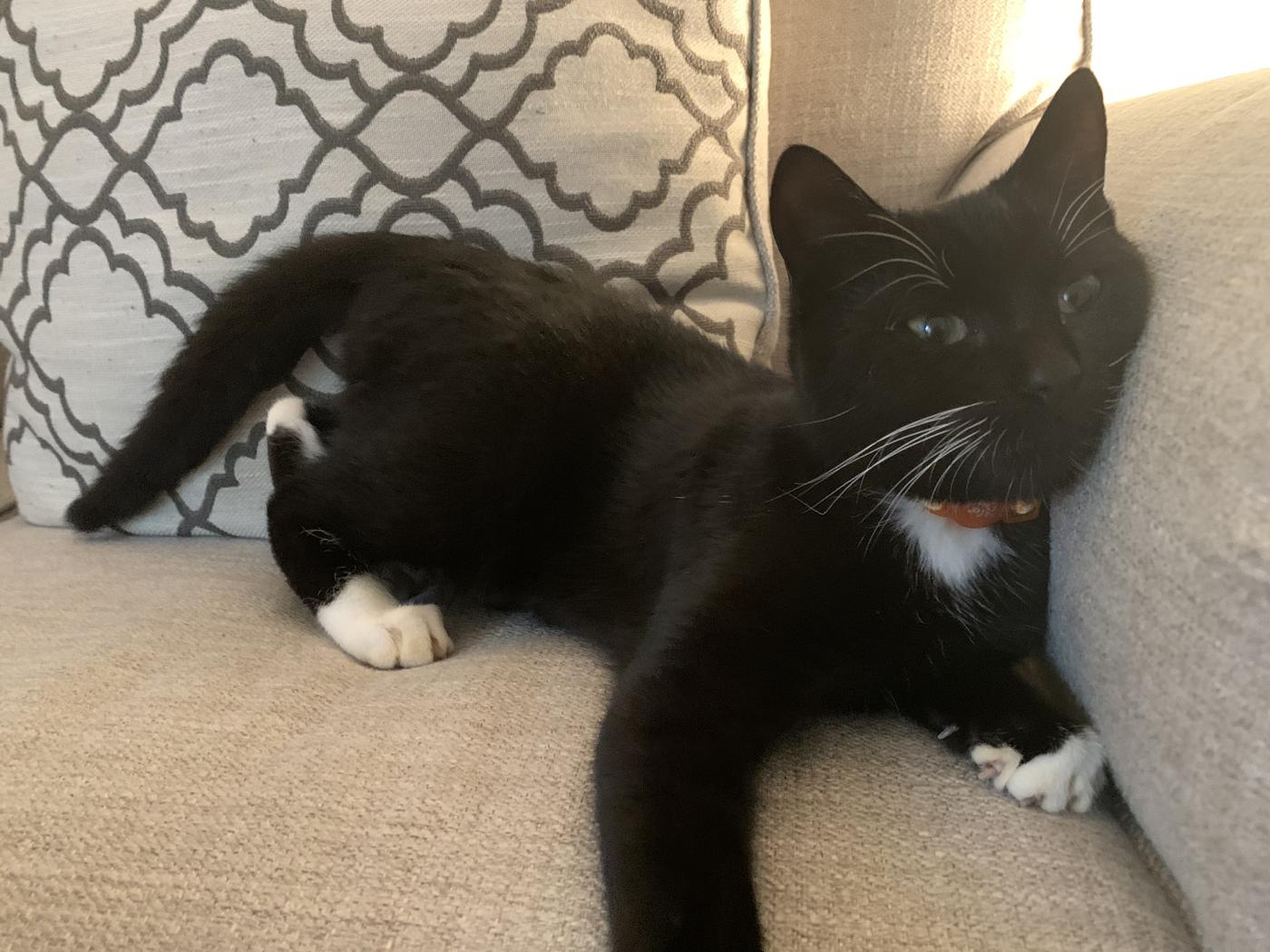
The car has become my concert hall in retirement. My own space, my own soundtrack, nobody else's schedule on the other side of it. I do not even mind running errands anymore — because errands put me in the car. And Wolff, my tuxedo cat, rides along for every outing. He gets genuinely upset when he does not get to go. He has decided the car belongs to him the same way everything else does — with complete tuxitude.
Luther played. I pressed record. I started singing. And somewhere in that car, on an ordinary day in my first weeks of retirement, Geezell came all the way back.
The Bathroom Mirror Concerts Are Back — And They Are Better Than Ever
Yes. I have fully reclaimed the bathroom mirror concerts.
Brush in hand. Full vocals. Bathroom acoustics doing exactly what they always did — catching the sound and giving it back richer than it went in.
And here is what is different now compared to before corrections:
The joy is tenfold. And it has deepened into something I could not have had before.
Before corrections, I sang because I loved it and I was building toward something. The Apollo. The lessons. The performance. The singing had a destination.
Now I sing because it feels good. Full stop. No destination required. No audience. No grade. No goal. Just the feeling of it — the sound moving through my body, the emotion coming out of me freely, the complete absence of anyone who needs me to contain myself.
"I don't care if I sound bad. I just feel good singing."
That is the whole shift. That is what retirement gives you that the career could not. Joy that does not need to justify itself. Emotion that does not need to earn its place. Pleasure that exists simply because you are alive and free and you have earned every note of it.
Before corrections, I sang because I loved it and was going somewhere with it. Now I sing because it feels good — and that is more than enough. The joy does not need a destination anymore.
The Song That Always Gets Turned All the Way Up
If you ask me right now — June 2026 — what song I cannot help but sing the moment it comes on, no matter where I am or who is watching:
Ain't No Mountain High Enough.
Diana Ross.
The song I grew up on. The song that was there before corrections, before the Apollo, before 26 years of containing everything that needed containing. The song that has been with me my whole life.
When that comes on — volume goes all the way up. Every time.
There is something profound about that. The joy that corrections could not permanently take is the same joy that was there at the very beginning. It was always Diana. It was always that voice, that song, that specific feeling of something in you saying —
there is no mountain high enough. There is no valley low enough. There is no river wide enough to keep me from getting to you.
I think retirement is like that. No matter how long the career ran, no matter how much it asked of you, no matter how quiet the joy got inside those walls — nothing was high enough or wide enough to keep it from finding its way back.
It was always Diana. It was always you. The joy was just waiting for the shift to be over.
What Corrections Actually Took From Me — And What Retirement Gives Back
When I think about the singing — about all the joy in this chapter, the skating and the fishing and the bowling and Wolff in the car — I realize corrections did not just take specific pleasures. It took something deeper.
It took my permission to just be.
To be emotional. To be playful. To be loud and joyful and uncontained. To do something simply because it felt good, with no productivity requirement attached to it, with no system watching, with no professional face required.
In corrections, emotion is a liability. Joy is a vulnerability. Anything that makes you fully human inside those walls is something that can be used against you.
And then retirement comes and the world is suddenly expecting you to just feel. Just play. Just be.
And you have to relearn it. You have to give yourself permission, sometimes deliberately, consciously, repeatedly — because the institution trained you so well to withhold it.
But here is what I know now: the joy does not leave. It waits.
The singing was always there. The Diana Ross was always there. The brush-as-microphone, the bathroom acoustics, the full emotional presence — none of it actually went anywhere. It was just waiting for a life that had room for it.
Retirement gave it room.
Corrections trained me to be without emotion. Retirement gave me permission to be without limits. And there is no way I am going back.
To the One Who Just Remembered What Joy Feels Like
Maybe you are reading this and something just shifted.
Maybe you cannot remember the last time you did the thing that used to make you feel most like yourself. The singing. The dancing. The painting. The laughing out loud with nothing held back. The thing the career quietly borrowed and you did not even notice until right now.
Maybe you are newly retired and the freedom is there but you do not quite know yet how to receive it. Maybe you are still inside the career counting down the days. Maybe you retired years ago and something in this post just named a loss you had been carrying without a word for it.
I want to say something directly to you:
It's okay. I've been holding it down right here until you're ready to come through and do some of the things that excite you. Let's go.
Your joy is not gone. It did not leave. It has been waiting — exactly where you left it — for a life that finally has room for it.
Turn Diana Ross all the way up.
Pick up the brush.
Press record.
And come home to yourself.
Come Find Your People
The Retired and Realizing community is full of people who are reclaiming their joy after public safety careers — out loud, unapologetically, and together. Nobody has to explain the job here. Nobody has to justify their happiness. This is where the joy gets celebrated.
Follow Geezell on TikTok for real talk and real joy from life after public safety. And come home to the Retired and Realizing community — your people are already here.
About Geezell
Geezell is a 26-year veteran of public service, solopreneur, and founder of Retired and Realizing. She's dedicated to helping retired public service professionals build joyful, empowered, purposeful lives on their own terms.