Everybody Left and You Never Saw Them Again
Everybody Left and You Never Saw Them Again
Why Correctional Professionals Need Their Own Retirement Community
By Geezell · Retired and Realizing
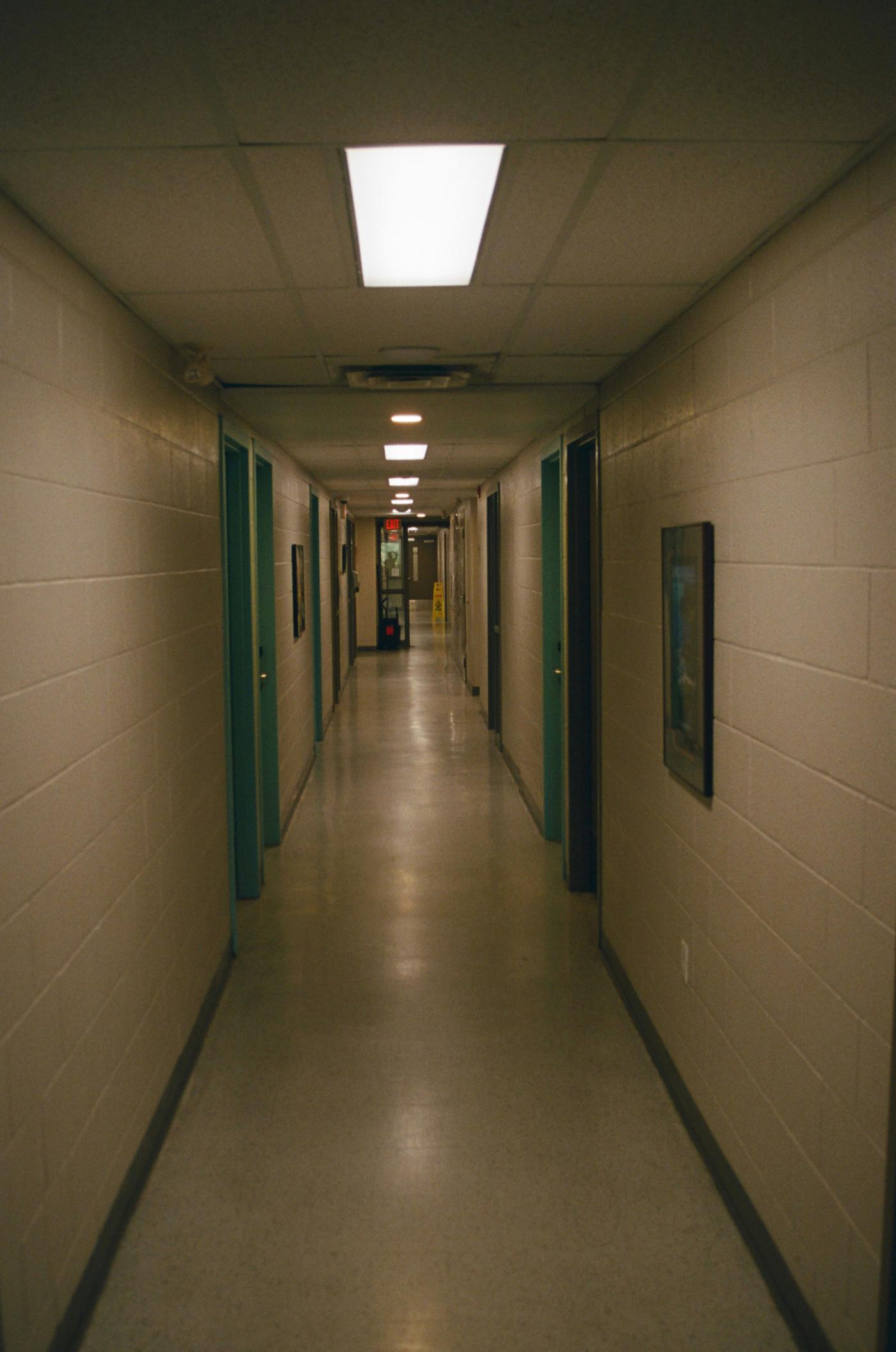
One day they were there. The crew you came up with. The correctional professionals who knew exactly what that facility smelled like at 3am, who understood a look across a hallway without a single word being exchanged. The ones who lived what you lived, shift after shift, year after year.
And then, one by one, they were gone.
Not with a ceremony. Not with a parade. An email went out — a little something about when they started, how they moved up — and then a flyer for a monetary collection and a get-together at a pub on their last day. That was it. After twenty years. After twenty-five years. After everything.
And the facility? The facility kept moving. Business as usual. Like those people had never existed inside those walls at all.
"You may see them again at a funeral. That is just the honest truth about how our community handles goodbyes — we don't."
I know this because I was the last one standing from my original crew. I watched every single person I came into corrections with retire before me. I turned around one day and realized I was surrounded by newer correctional personnel who had no idea what that facility used to look like, how it used to be run. They thought the chaos was normal. Because for them, it was. They had never seen the order.
That is when I knew my time was up.
And that is also when I started asking a question nobody seemed to have an answer to: Where are they at? Where do correctional professionals and public service retirees go to find each other after the badge comes off?
The Goodbye Nobody Prepares You For
If you have spent any time in corrections or public service, you already know the culture does not do emotion well. That is not a criticism — it is a survival mechanism. You learn early that you manage what you feel, contain what you show, and keep moving regardless of what is happening inside. That discipline keeps facilities running. It keeps people safe.
But it also means that when someone retires — when someone who has been your work family for a decade or more walks out that door for the last time — there is no real goodbye. There is an email. There might be a gathering at a pub with a handful of people who worked closely with them. And then they are gone.
No fanfare. No acknowledgment from the outside world. No recognition from people who had no idea what that person carried into work every single day for twenty or thirty years.
"We were a family inside those walls. We spent years — decades — in there together. And yet somehow we never figured out how to say goodbye."
What nobody tells you is that this loss does not announce itself loudly. It creeps in. You are still working, still showing up, and the crew you came in with is slowly thinning out around you. By the time you retire, the disconnection has already happened. There was no single dramatic moment. The relationship just quietly stopped having the daily context that held it together.
And then you are home. And you pick up your phone and realize there is no one to call who lived exactly what you lived, inside exactly the walls you both know.
What Happens When You Go Looking for Your People
When I retired and started looking for community — for people who understood what 26 years in corrections and public service actually felt like — I did what most of us do. I went to social media. TikTok. Facebook. Instagram. I started scrolling, searching, looking for my people.
What I found instead was financial planning content. Retirement savings advice. Generic retirement lifestyle content. All of it fine, all of it useful to someone. But none of it was speaking to me. None of it was speaking to the correctional professional who just walked out of an institution after two and a half decades and is trying to figure out who she is without the badge.
"I kept asking: there has to be more. Where are the correctional professionals who held it down inside those institutions? Where are they at?"
The answer, as far as I could find, was nowhere. There was no dedicated space. No community built specifically for people who spent their careers in corrections and public service and are now navigating the identity, the loss, the freedom, and the next chapter all at the same time.
Veterans have their communities. Firefighters have their communities. But correctional professionals — the people who showed up inside walls most people never see, managing situations most people cannot imagine — retire in relative silence, and then go looking for their people and come up empty.
That is not okay. And that is exactly why Retired and Realizing exists.
Why Generic Retirement Content Misses the Mark
There is no shortage of retirement content on the internet. If you search for community after retirement, you will find plenty of articles about golf, grandchildren, travel, and financial planning. And those things are wonderful for someone else.
But correctional professionals and public service retirees are not most people. The retirement transition for someone who spent 20 or 30 years in public service is categorically different from someone who spent those same years in an office or a classroom. The weight is different. The wiring is different. The loss is different. And the healing is different.
When you retire from corrections or public service, you are not just leaving a job. You are leaving:
- A community of people who understood you without explanation
- A daily structure that told you exactly who you were and where you belonged
- A sense of purpose built around showing up for something bigger than yourself
- A nervous system trained to stay on high alert, which does not simply switch off when the shift ends
- Years of shared history that now live only in your memory because the people who shared it have scattered
No generic retirement advice addresses any of that. And the people who need it most — the correctional professionals and public service retirees who gave everything and are now standing on the other side wondering what comes next — are being told to save more for retirement and take up golf.
You deserve better than that. You deserve a community that actually gets it.
Being the Last One Standing — And What It Teaches You
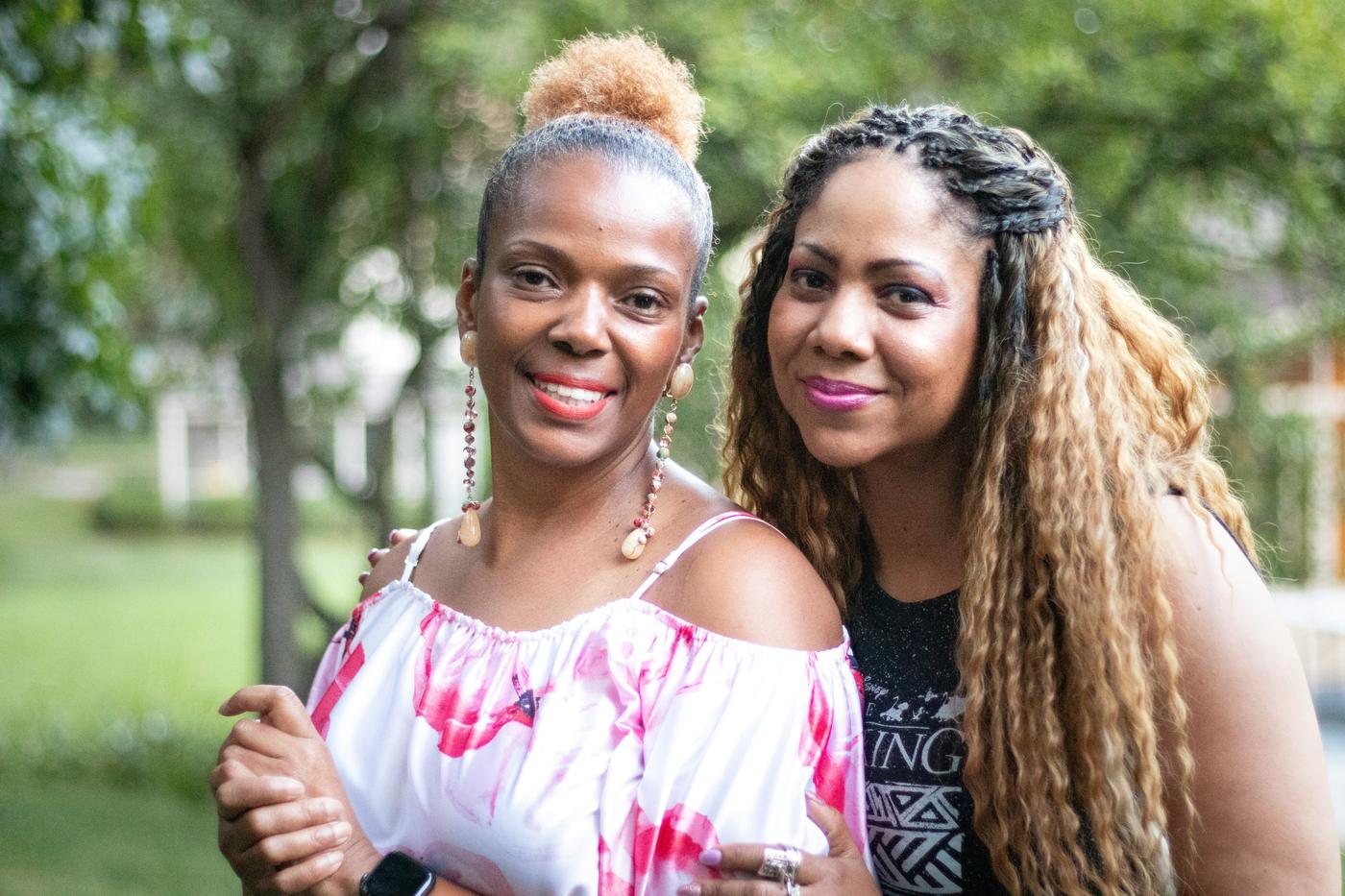
There is a specific kind of loneliness that comes from being the last one from your original crew still working. I lived that. In my final years I was surrounded by newer correctional personnel who had never experienced what that facility was like when I came up. The culture had shifted. What used to be unacceptable had become normal. The newer staff did not know any different — they could not know any different, because they had not lived the before.
There was no one to turn to and say remember when. There was no one who shared that institutional memory, that sense of what the place used to stand for and how it used to run. That particular loss — the loss of shared history — is one of the quietest and heaviest parts of the long career.
"When I could no longer say 'remember when' to anyone around me, I knew it was time. That is when I knew my chapter was closing."
And then retirement comes and that loss follows you out the door. You are home. You have time. But the people who could fill that time with genuine understanding, with real shared experience, are living their own separate lives now. Scattered. Disconnected. Occasionally reuniting at a funeral because that is the only thing that seems to pull correctional families back together.
It does not have to be that way. But building something different requires a dedicated space. It requires a community that is built specifically for this — not retrofitted from something else, not a generic retirement group with a corrections-flavored hashtag. A real home for the people who lived this specific career and are now navigating this specific transition.
What a Real Community for Correctional Professionals Actually Looks Like
Retired and Realizing exists because that space did not exist. I built it because I went looking and came up empty, and I knew I was not the only one asking where do we go.
A real community for correctional professionals and public service retirees is not about sitting around talking about the old days or comparing war stories. It is about building something forward. It is about taking every skill, every instinct, every piece of hard-won wisdom from a 20 or 30 year career and figuring out what you do with it now that your time is finally your own.
It looks like:
- Real talk about identity loss after the badge — named, normalized, and worked through together
- Honest conversation about what the career did to your body and your nervous system, and what healing actually looks like
- Financial empowerment conversations that acknowledge your pension is a foundation, not a ceiling
- Permission to claim joy — skating, fishing, bowling, singing, traveling, building something entirely your own — without guilt or apology
- Solopreneur guidance for people who have a story worth sharing and need help figuring out how to share it
- And most importantly — people who get it without you having to explain a single thing
That last one is not a small thing. If you have ever tried to explain your career to someone who has never been in public service, you know how exhausting it is to translate. You know what it means to be in a room with people who just know. No translation required. That is what belonging actually feels like.
And that is what this community is built to provide.
You Are Not Behind. You Are Right On Time.
If you are reading this and you retired six months ago or six years ago and you still have not found your community — you are not behind. The space just did not exist yet for most of that time.
If you are still working and you are watching your crew retire around you one by one and you are starting to feel that particular loneliness — you are not alone in that feeling. Most correctional professionals experience some version of it and most of them never talk about it because the culture does not make room for that conversation.
If you went looking on social media and found financial planning content when you were looking for connection — you were looking for something real, and you deserve to find it.
"The question is not whether the community should exist. It is whether you are ready to come home to it."
I built Retired and Realizing from the inside of that lived experience. Twenty-six years across two states, two systems, one whole career built on showing up. I came out the other side and I went looking for my people and I could not find them. So I built the place they needed to land.
And I want every correctional professional and public service retiree who is done scrolling through content that was never made for them to know: there is a space now. There are people here who understand. You do not have to explain the job. You do not have to translate the weight. You can just walk in and be home.
The Community You Deserved All Along
Everybody left. One by one, they walked out that door. The email went out, the pub gathering happened, and then life kept moving — as it always does inside those facilities.
But here is what I know: the connections forged inside those walls were real. The family you built over decades of service was real. The loss of it is real. And the need for a community that honors all of it — the career, the transition, the grief, and the extraordinary freedom waiting on the other side — is real.
You gave everything to that institution. Now it is time to give something to yourself.
Retired and Realizing is for correctional professionals and public service retirees who are done being invisible. Who are done searching for a space that understands them. Who are ready to find their people and build the next chapter with intention, with joy, and with a community that finally feels like home.
"I want every correctional professional and public service retiree who walks through this door to be able to say: I found my community. And I am happy to be home."
That is the whole mission. That is why this exists.
Come home. Your people are here.
Follow Retired and Realizing — The Community Built for You
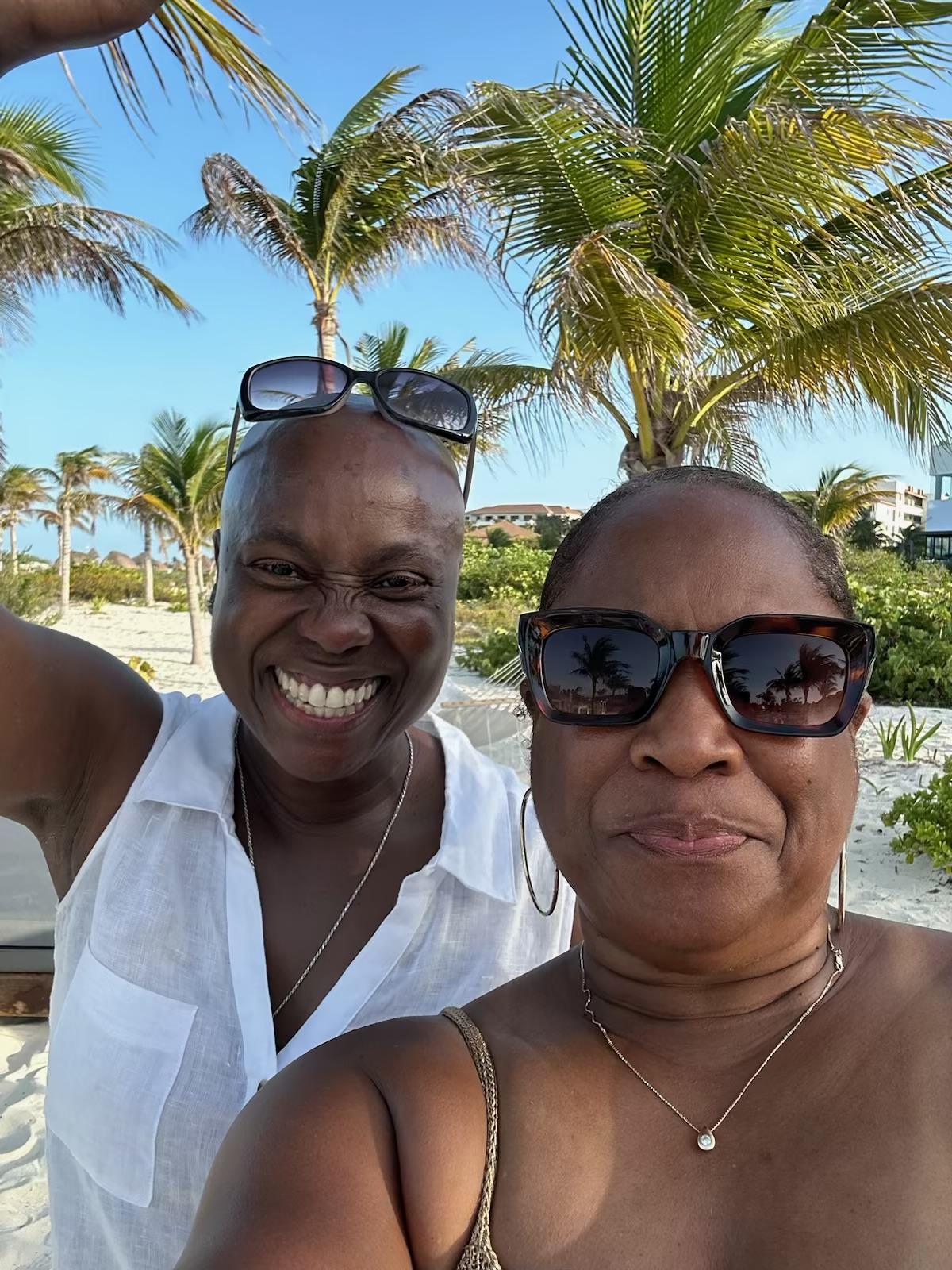
Drop your years of service in the comments. Let's see how much time this community represents — together.
About Geezell
Geezell is a 26-year veteran of public service, solopreneur, and founder of Retired and Realizing. She's dedicated to helping retired public service professionals build joyful, empowered, purposeful lives on their own terms.